
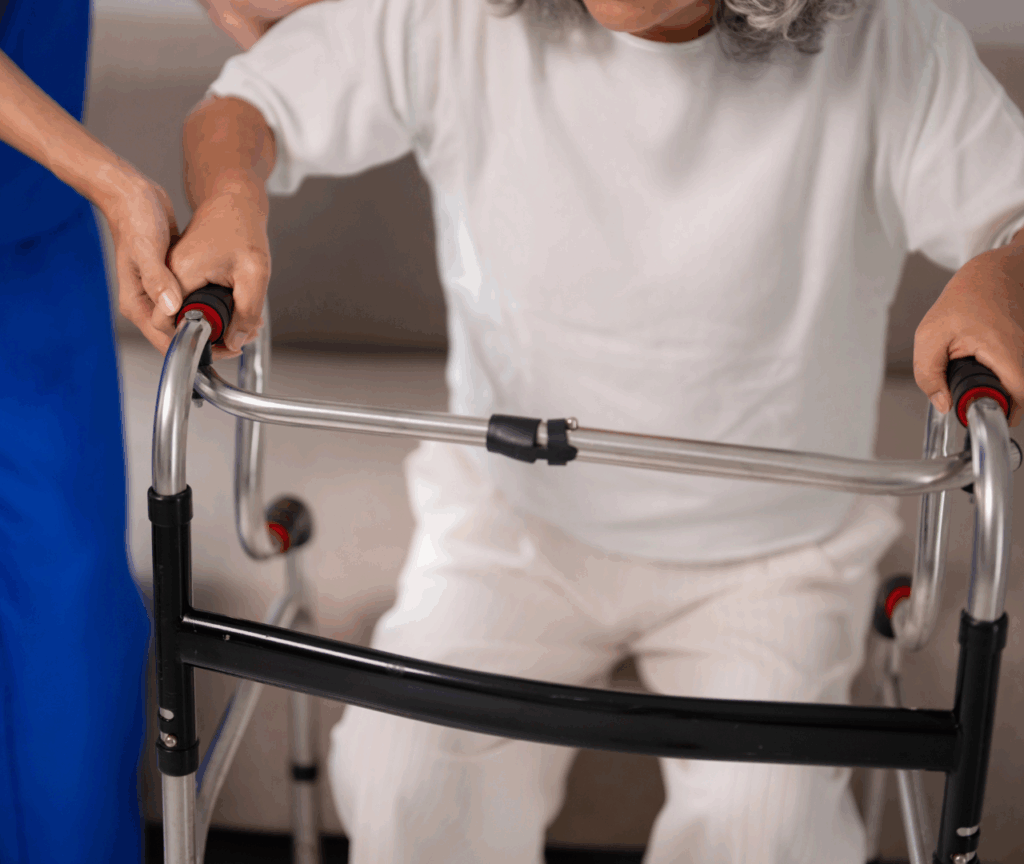
As people age, maintaining a safe and supportive living environment becomes increasingly important. Many older adults prefer to remain in their homes for as long as possible, a choice often referred to as “aging in place.” While this can provide comfort, independence, and familiarity, it also requires careful attention to safety, health management, and daily support. Families and caregivers play a crucial role in helping seniors maintain independence while reducing risks that may arise with age.
Creating a safer living environment does not always require major changes. In many cases, small adjustments, awareness, and proactive planning can significantly improve safety and quality of life. Below are ten essential steps every family should consider to help ensure safe senior living.
1. Improve Home Safety
One of the first steps toward safe senior living is evaluating the home environment. Many accidents occur in familiar spaces due to poor lighting, clutter, or slippery surfaces. Improving lighting in hallways and stairways, removing loose rugs, and keeping walking paths clear can help prevent trips and falls. Bathrooms should include safety features such as grab bars, non-slip mats, and accessible shower areas. These simple modifications can make daily activities much safer.
2. Focus on Fall Prevention
Falls are one of the most common health risks for older adults. Preventing falls requires attention to both the living space and physical mobility. Supportive handrails on stairs, stable furniture, and appropriate footwear can help reduce the risk of slipping. In addition, seniors should be encouraged to move carefully and avoid climbing on unstable surfaces such as chairs or stools.
3. Manage Medications Carefully
Many seniors take multiple medications to manage chronic health conditions. Without proper organization, this can lead to missed doses or accidental overuse. Families can help by using pill organizers, setting reminders, and keeping an updated medication list. Regular communication with healthcare providers ensures medications remain appropriate and effective.
4. Encourage Regular Health Checkups
Routine medical visits are essential for maintaining senior health. Regular checkups allow healthcare professionals to monitor ongoing conditions, detect potential health issues early, and adjust treatment plans when necessary. Preventive care, including screenings and wellness exams, plays a key role in maintaining long-term health and reducing complications.
5. Support Physical Activity
Staying physically active helps seniors maintain balance, strength, and mobility. Even light activities such as walking, stretching, or gentle exercise can improve circulation, flexibility, and overall well-being. Families should encourage safe, age-appropriate physical activity that supports mobility without placing excessive strain on the body.
6. Maintain Good Nutrition and Hydration
Proper nutrition plays a vital role in supporting healthy aging. Balanced meals that include fruits, vegetables, whole grains, and protein provide essential nutrients that help maintain energy and immunity. Seniors should also stay well-hydrated throughout the day. Adequate nutrition and hydration support both physical and mental health.
7. Support Emotional and Social Well-Being
Emotional health is an important part of overall wellness. Seniors who remain socially connected often experience better mental health and improved quality of life. Families can encourage regular interaction with friends, community groups, or family members. Activities such as hobbies, reading, light exercise classes, or volunteer opportunities can help seniors stay mentally engaged and socially active.
8. Prepare for Emergencies
Every household should have a clear emergency plan. Seniors should know how to contact emergency services and family members if assistance is needed. Important phone numbers should be easily accessible, and emergency contacts should be kept updated. Some families also choose to use medical alert systems that allow seniors to quickly call for help if needed.
9. Use Helpful Technology
Modern technology can offer valuable support for senior safety. Tools such as medication reminders, home monitoring systems, and communication devices help families stay connected with aging loved ones. Video calls, smart home devices, and emergency alert systems can provide reassurance while allowing seniors to maintain their independence.
10. Maintain Regular Communication
Frequent communication between seniors and family members helps identify potential concerns early. Simple conversations about daily routines, health changes, or safety concerns can help families respond quickly when support is needed. Regular check-ins help seniors feel supported and ensure that small issues do not become larger problems.
Supporting Independence While Prioritizing Safety
Safe senior living is about creating an environment where older adults can continue to live with confidence, dignity, and independence. By focusing on prevention, health awareness, and supportive communication, families can help aging loved ones maintain a comfortable and secure lifestyle.
Small improvements—such as home safety modifications, regular health monitoring, and encouraging healthy routines—can have a significant impact on long-term well-being. When families remain proactive and involved, seniors are better equipped to navigate the challenges that may come with aging while continuing to enjoy meaningful and fulfilling lives.
Legal Disclaimer:
This post is strictly for educational use and should not be construed as professional advice (medical, legal, financial, or otherwise).
